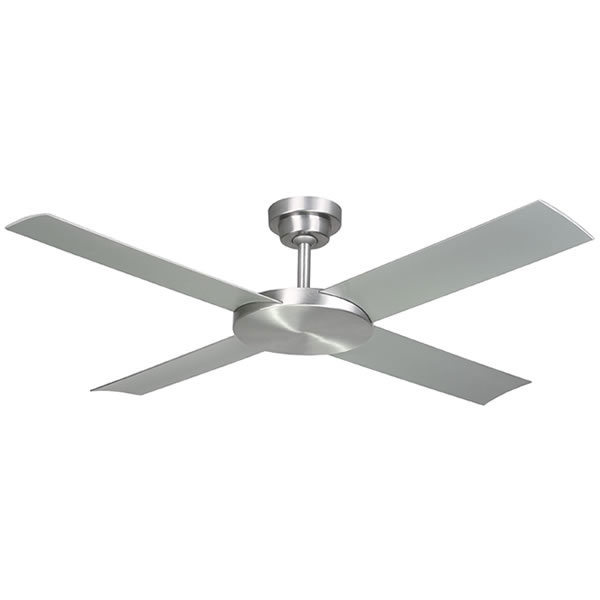
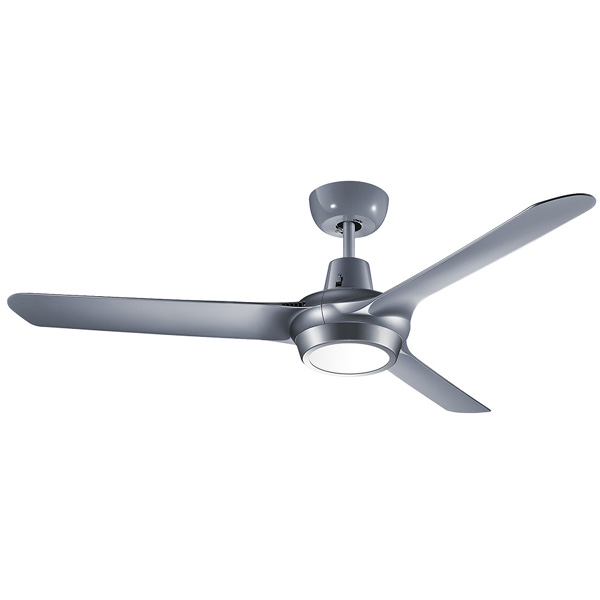
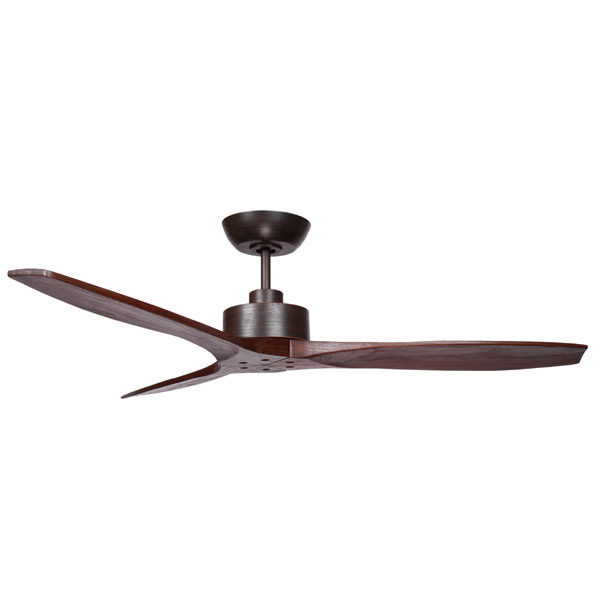
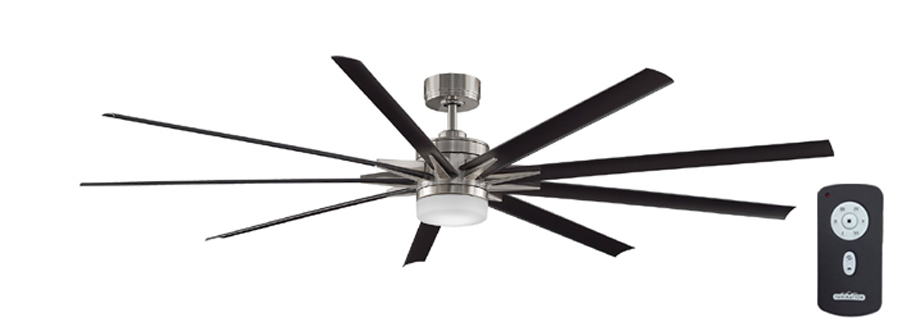
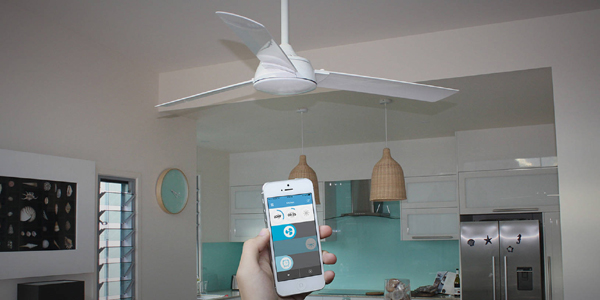
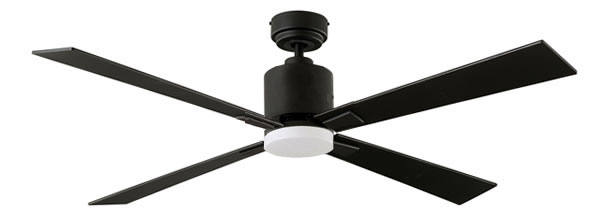
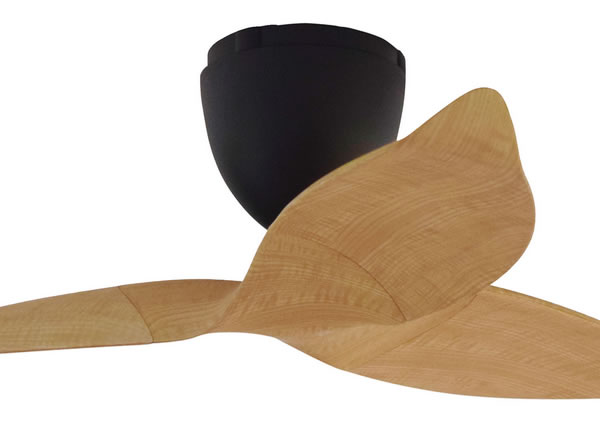
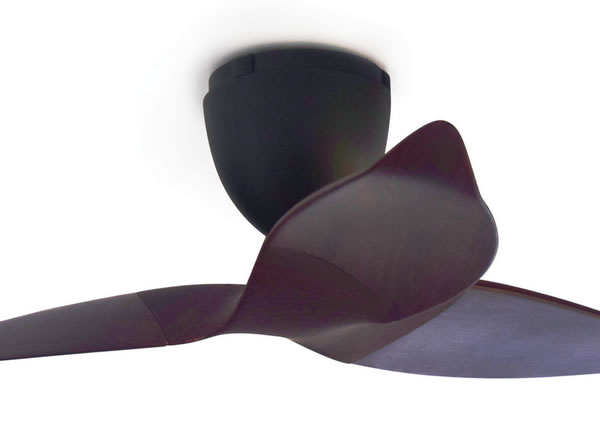
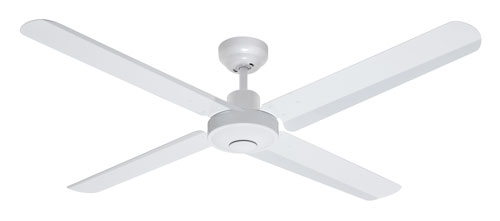
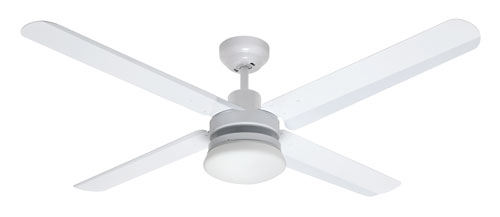
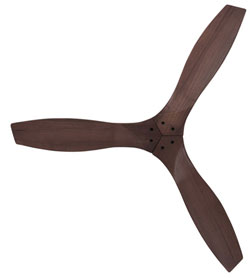
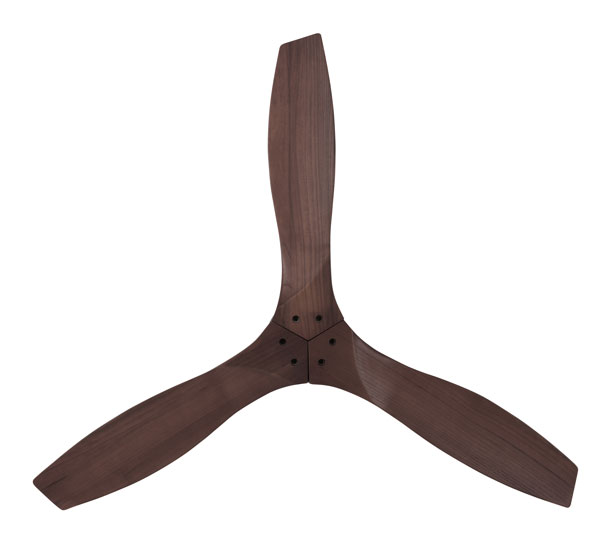
What direction should a ceiling fan go in summer?

How do you know which way a ceiling fan should go in summer?

Knowing which way a ceiling fan should go in summer will help you get the most out of your fan.  If you use them right, ceiling fans  can offer you more than a simple cooling solution. They can also help you heat your home efficiently. A lot of customers don’t realise that most ceiling fans can spin in both directions: clockwise and counter-clockwise. All it takes to reverse a ceiling fan is the flick of a switch or touch of a button. This functionality gives ceiling fans a “summer mode” and a “winter mode”. Because each direction works differently, it’s important that your fan is spinning in the best direction for the season.

Ceiling fans in summer mode

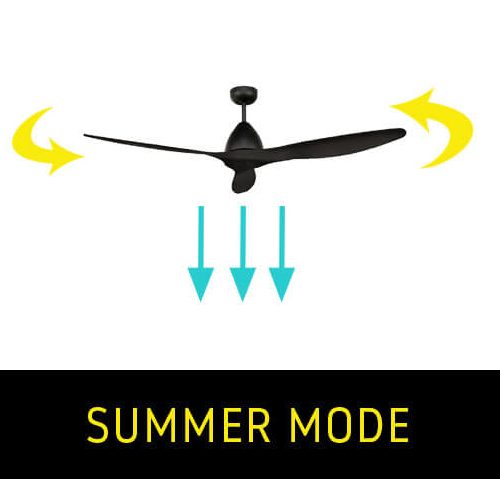
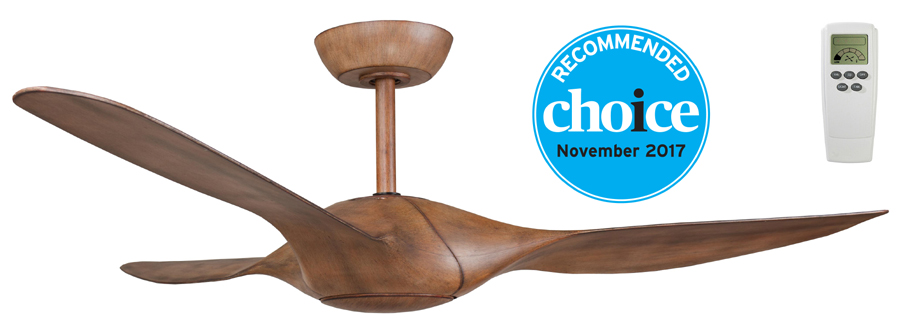
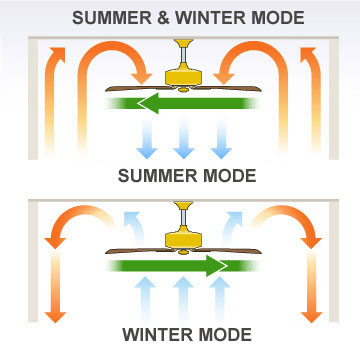
In summer, a ceiling fan has one job: to create a windchill effect. To achieve this, fans spins counter-clockwise, creating a draught.  If you’re standing within range of the fan, it will move air around you. This helps any perspiration on your skin to evaporate quicker. Voila! You feel cooler. 

Which way should a ceiling fan go in summer?

Ceiling fans in winter mode

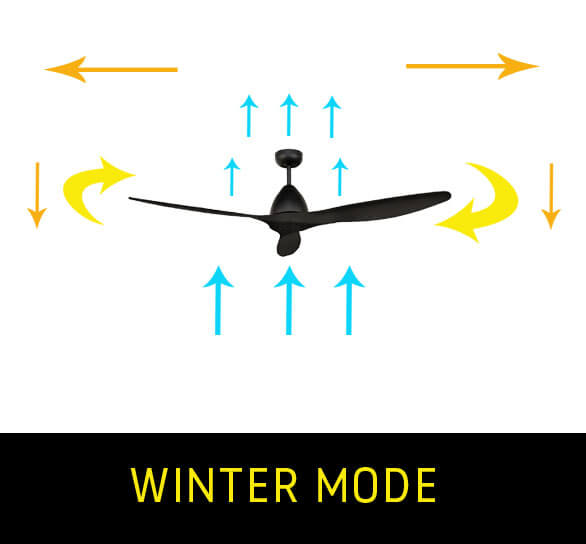
A fan spinning in a clockwise direction draws air upwards. This is an excellent tool in winter when you’re using a heater. Why? Because warm air rises. Imagine turning on a heater in winter. The heated air rises until it’s sitting under the ceiling. So even though the heater is on, the room still feels quite cool! 

Reversing your ceiling fan’s direction draws cooler air up. Circulating air like this also keeps the warm air moving. It’s pushed from underneath the ceiling, back into the room.   


Using summer and winter mode

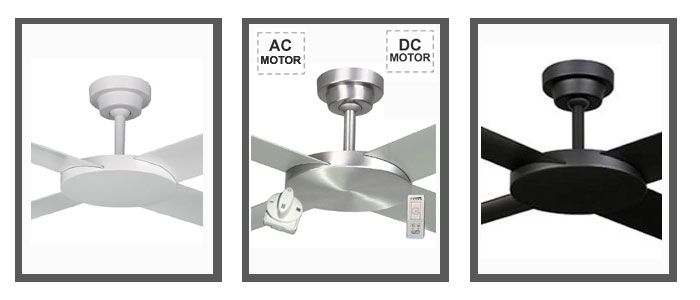
If you’re not sure how to activate your fan’s reverse feature, start by checking what type of motor you have. Ceiling fans with a DC motor are usually reversible by the remote. If you have an AC fan, it will have a reverse switch on the motor. 

Keep in mind that there may be some exceptions to the examples we’ve outlined above. While it’s true that most fans spin counter-clockwise when they’re in summer mode, some models work differently. At the end of the day, the best way to tell if your fan is in summer mode is to stand underneath it. If you can feel the breeze, it’s in summer mode! 

Read More

What does CCT LED stand for and what advantages does it have?

You may be seeing the term CCT LED light on some of our listings but perhaps are a bit unsure of what this actually means and how it would be a benefit to you.

CCT refers to Colour Changing Technology. Simply put, rather than the LED Panel being one temperature and having to choose whether you would prefer the yellow glow of a warm white light or a cooler, more natural white, this feature provides you with the option to interchange between shades. This can be done directly from the LED panel which would require removing the diffuser (glass cover) to set the light to the preferred colour at any given time. Generally, each fan with this technology is limited to three temperature options ranging from Warm White to Daylight.

If a little unsure what temperatures would suit your space this will also give you the flexibility to choose the lighting to a certain degree once installed. In a more modern home, specifically in living or dining rooms a natural or cool white is quite common. Whereas, more traditional homes see our customers leaning towards a warm white, particularly for bedrooms.
This now also ensures the same styled fan can be installed throughout your home keeping it consistent, while providing the versatility to select the appropriate temperature for each space based on your requirements.

To better understand the difference between the glows each temperature would emit within the room take a look at our Ceiling Fan Glossary, which gives you a general description that may help you visualise the light output.

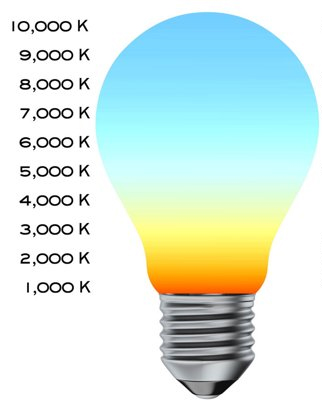
Otherwise the Kelvin scale which is used to measure the temperature will be able to show you in a little more detail where a certain temperature or value lands on the wider spectrum. See below:

cct led kelvin scale

Which fans in our range have a CCT LED Light option?

A few examples of the models that utilise this new technology are as follows:

The Urban 2 DC which allows you to interchange between Warm White (3000k), Neutral White (4000k) and Cool White (5000k).

Another fan available with this same combination is the Martec Elite.

The Tempest DC LED range has the option to select Warm White (3000k), Neutral White (4200k) and Daylight (6500k).

Read More

What to Look for in a Budget Ceiling Fan

[vc_section][vc_row][vc_column offset="vc_hidden-lg vc_hidden-md vc_hidden-sm vc_hidden-xs"][vc_column_text]

What to Look for in a Budget Ceiling Fan

[/vc_column_text][/vc_column][vc_column][vc_column_text]Updated: April 2026[/vc_column_text][vc_empty_space][vc_column_text]Budget ceiling fans are one of the most practical ways to improve comfort in Australian homes without overspending. A lower price does not mean you need to compromise on performance, reliability or usability. The key is knowing what to look for.

This guide explains how to choose a reliable, quiet and efficient ceiling fan at an affordable price, while avoiding the common mistakes that lead to poor performance or short lifespan.[/vc_column_text][/vc_column][/vc_row][/vc_section][vc_section][vc_row][vc_column css=".vc_custom_1774935657518{margin-bottom: 36px !important;}"][vc_column_text css=".vc_custom_1775017878666{border-top-width: 1px !important;padding-top: 16px !important;padding-bottom: 12px !important;border-top-color: #cecece !important;border-top-style: solid !important;}"]

What matters No. 1: Build Quality Matters More Than Price

The biggest difference between a good budget ceiling fan and a poor one is build quality. A well-built fan will run smoothly, last longer, and require less maintenance over time.

What shows a fan has good build quality? 

1. Reliability

Reliability comes down to how the fan is designed and the components used inside it.

  • Motor type: AC motors are widely known as tried-and-true technology. They are simple, durable and have been used for decades. If long-term reliability is your priority, AC fans are a strong option.
  • Wall controls: Hardwired wall controls, commonly paired with AC fans, reduce reliance on remotes and electronics. This can improve long-term reliability. You can also explore DC ceiling fans with wall control for a balance of modern efficiency and fixed control.
  • Product reviews: Look for consistent feedback about long-term use, not just first impressions.
  • Brand reputation: Established brands tend to deliver more consistent quality across their range.

2. Quietness

Most ceiling fans are used in bedrooms, living rooms and other spaces where noise matters. A good budget fan should operate smoothly without noticeable motor noise or wobble.

  • Many affordable ceiling fans are designed to be very quiet when installed correctly.
  • DC motors are generally quieter than AC motors due to how they operate and control speed.
  • Stable blade design and proper installation also play a major role in noise levels.

If you are prioritising quiet operation, it is worth exploring DC motor ceiling fans, which are commonly used in bedrooms.

3. Warranty and Support

Warranty is a strong indicator of how confident a brand is in its product.

  • Longer warranties often reflect better build quality.
  • Look for brands that offer clear support and replacement processes.
  • Customer feedback can reveal how warranty claims are handled in real situations.

A budget fan should still be backed by a warranty that gives you confidence in its long-term use.[/vc_column_text][/vc_column][vc_column css=".vc_custom_1774935664402{margin-bottom: 36px !important;}"][vc_column_text css=".vc_custom_1775017887066{border-top-width: 1px !important;padding-top: 16px !important;padding-bottom: 12px !important;border-top-color: #cecece !important;border-top-style: solid !important;}"]

What matters No. 2: Customer Sentiment and Reviews

Customer sentiment is one of the most reliable ways to judge whether a budget ceiling fan is worth buying. It shows how the product performs in real homes over time.

How to Assess Customer Sentiment:

Where to find trustworthy Reviews?

  • Product pages on retailer websites
  • Independent review platforms
  • Google reviews and forums

You can also explore trending products through our best selling ceiling fans page, which reflects what customers are consistently choosing.

What to Look for in Reviews?

Focus on patterns rather than individual comments. Look for keywords such as:

  • “quiet” or “silent”
  • “reliable” or “no issues”
  • “easy to install”
  • “good airflow”
  • “value for money”

Also watch for repeated negatives like clicking noises, wobbling, or early failure.[/vc_column_text][vc_row_inner equal_height="yes" content_placement="top" css=".vc_custom_1774935620367{margin-bottom: 30px !important;border-top-width: 1px !important;border-right-width: 1px !important;border-bottom-width: 1px !important;border-left-width: 1px !important;padding-right: 24px !important;padding-bottom: 24px !important;padding-left: 24px !important;border-left-color: #cecece !important;border-left-style: solid !important;border-right-color: #cecece !important;border-right-style: solid !important;border-top-color: #cecece !important;border-top-style: solid !important;border-bottom-color: #cecece !important;border-bottom-style: solid !important;border-radius: 10px !important;}"][vc_column_inner width="1/4"][vc_single_image image="125276" img_size="medium" style="vc_box_rounded" onclick="custom_link" link="/fan-shop/claro-essentials-ceiling-fans/flight-dc-ceiling-fans/"][/vc_column_inner][vc_column_inner width="3/4"][vc_column_text]

Example: Claro Essentials Flight DC

[total_reviews category="flight-dc-ceiling-fans"]The Claro Essentials Flight DC is a strong example of a budget ceiling fan that performs well beyond its price point. It consistently receives positive feedback for quiet operation, stable performance and overall value.[/vc_column_text][vc_empty_space height="16px"][vc_btn title="Shop the Flight DC Range" style="outline-custom" outline_custom_color="#525252" outline_custom_hover_background="rgba(237,237,0,0.5)" outline_custom_hover_text="#525252" shape="square" size="sm" link="url:%2Ffan-shop%2Fclaro-essentials-ceiling-fans%2Fflight-dc-ceiling-fans%2F"][/vc_column_inner][/vc_row_inner][vc_column_text]This shows that affordability does not mean compromise when the product is well designed.

If you are looking for proven value options, you can also browse our ceiling fan deals and top picks under $250.[/vc_column_text][/vc_column][vc_column css=".vc_custom_1774935676402{margin-bottom: 36px !important;}"][vc_column_text css=".vc_custom_1775017894049{border-top-width: 1px !important;padding-top: 16px !important;padding-bottom: 12px !important;border-top-color: #cecece !important;border-top-style: solid !important;}"]

What matters No. 3: Motor Performance & Running Costs

A good budget ceiling fan should not only be affordable to buy, but also economical to run.

Efficient Motors Save You Money

Modern ceiling fans, particularly DC models, use very low wattage compared to older designs.

  • Lower wattage means lower electricity costs
  • Fans can run for long periods without significant impact on energy bills
  • This is especially important for bedrooms where fans may run overnight

Over time, the savings from efficient operation can outweigh the initial purchase price.

What a Poor Budget Fan Looks Like:

At the lowest end of the market, some fans prioritise price above all else. These are the types of products to avoid.

  • Cheap internal components that wear out quickly
  • Noisy operation or inconsistent speed control
  • High wattage with poor airflow efficiency
  • Weak warranties or limited support
  • Negative or inconsistent customer reviews

These products may appear attractive upfront but often lead to higher long-term costs through replacement or dissatisfaction.

If you are browsing ultra-low price options, it is worth carefully comparing models in the bargain bin to ensure you are still getting acceptable quality.[/vc_column_text][/vc_column][vc_column css=".vc_custom_1774936980897{margin-bottom: 36px !important;}"][vc_column_text css=".vc_custom_1775017900850{border-top-width: 1px !important;padding-top: 16px !important;padding-bottom: 12px !important;border-top-color: #cecece !important;border-top-style: solid !important;}"]

What Budget Ceiling Fans do we Recommend?

If you want a reliable starting point, these models balance affordability, performance and proven customer satisfaction.[/vc_column_text][vc_row_inner equal_height="yes" content_placement="top" gap="4" css=".vc_custom_1776296143162{margin-bottom: 36px !important;border-top-width: 1px !important;border-right-width: 1px !important;border-bottom-width: 1px !important;border-left-width: 1px !important;padding-top: 24px !important;padding-right: 12px !important;padding-bottom: 24px !important;padding-left: 12px !important;border-left-color: #cecece !important;border-left-style: solid !important;border-right-color: #cecece !important;border-right-style: solid !important;border-top-color: #cecece !important;border-top-style: solid !important;border-bottom-color: #cecece !important;border-bottom-style: solid !important;border-radius: 10px !important;}"][vc_column_inner width="1/4"][vc_single_image image="40320" img_size="medium" style="vc_box_rounded" onclick="custom_link" link="/cheap-ceiling-fans/fanco-ceiling-fans/breeze-ac-ceiling-fans/"][/vc_column_inner][vc_column_inner width="3/4"][vc_column_text css=".vc_custom_1774922695132{padding-bottom: 16px !important;}"]

Fanco Breeze AC

[/vc_column_text][vc_column_text css=".vc_custom_1774922903902{margin-bottom: 12px !important;}"]

Feature Benefit
Proven AC motor Delivers long-term reliability
Hardwired wall control Simple and dependable operation
Durable construction Consistent performance over time
Reliability-focused design Ideal for buyers prioritising simplicity and longevity

[/vc_column_text][vc_empty_space height="16px"][vc_btn title="Shop the Breeze AC Range" style="outline-custom" outline_custom_color="#525252" outline_custom_hover_background="rgba(237,237,0,0.5)" outline_custom_hover_text="#525252" shape="square" size="sm" link="url:%2Fcheap-ceiling-fans%2Ffanco-ceiling-fans%2Fbreeze-ac-ceiling-fans%2F"][/vc_column_inner][/vc_row_inner][vc_row_inner equal_height="yes" content_placement="top" gap="4" css=".vc_custom_1776296153811{margin-bottom: 36px !important;border-top-width: 1px !important;border-right-width: 1px !important;border-bottom-width: 1px !important;border-left-width: 1px !important;padding-top: 24px !important;padding-right: 12px !important;padding-bottom: 24px !important;padding-left: 12px !important;border-left-color: #cecece !important;border-left-style: solid !important;border-right-color: #cecece !important;border-right-style: solid !important;border-top-color: #cecece !important;border-top-style: solid !important;border-bottom-color: #cecece !important;border-bottom-style: solid !important;border-radius: 10px !important;}"][vc_column_inner width="1/4"][vc_single_image image="109978" img_size="medium" style="vc_box_rounded" onclick="custom_link" link="/fan-shop/claro-essentials-ceiling-fans/flight-dc-ceiling-fans/"][/vc_column_inner][vc_column_inner width="3/4"][vc_column_text css=".vc_custom_1774922958434{padding-bottom: 16px !important;}"]

Claro Essentials Flight DC

[/vc_column_text][vc_column_text css=".vc_custom_1774922974267{margin-bottom: 12px !important;}"]

Feature Benefit
Excellent value Strong performance at an affordable price
Quiet DC motor Ideal for bedrooms and low-noise environments
Positive customer feedback Proven reliability and consistent performance
Modern design Stylish look without increasing cost

[/vc_column_text][vc_empty_space height="16px"][vc_btn title="Shop the Flight DC Range" style="outline-custom" outline_custom_color="#525252" outline_custom_hover_background="rgba(237,237,0,0.5)" outline_custom_hover_text="#525252" shape="square" size="sm" link="url:%2Ffan-shop%2Fclaro-essentials-ceiling-fans%2Fflight-dc-ceiling-fans%2F"][/vc_column_inner][/vc_row_inner][vc_row_inner equal_height="yes" content_placement="top" gap="4" css=".vc_custom_1776296162295{margin-bottom: 36px !important;border-top-width: 1px !important;border-right-width: 1px !important;border-bottom-width: 1px !important;border-left-width: 1px !important;padding-top: 24px !important;padding-right: 12px !important;padding-bottom: 24px !important;padding-left: 12px !important;border-left-color: #cecece !important;border-left-style: solid !important;border-right-color: #cecece !important;border-right-style: solid !important;border-top-color: #cecece !important;border-top-style: solid !important;border-bottom-color: #cecece !important;border-bottom-style: solid !important;border-radius: 10px !important;}"][vc_column_inner width="1/4"][vc_single_image image="113363" img_size="medium" style="vc_box_rounded" onclick="custom_link" link="/fan-shop/claro-essentials-ceiling-fans/spirit-dc-ceiling-fans/"][/vc_column_inner][vc_column_inner width="3/4"][vc_column_text css=".vc_custom_1774923104335{padding-bottom: 16px !important;}"]

Claro Essentials Spirit DC

[/vc_column_text][vc_column_text css=".vc_custom_1774923116351{margin-bottom: 12px !important;}"]

Feature Benefit
Compact design Fits well in smaller rooms and tighter spaces
Quiet operation Comfortable use in bedrooms and living areas
Energy efficient DC motor Lower running costs over time
Budget-friendly performance Great value for cost-conscious upgrades

[/vc_column_text][vc_btn title="Shop the Spirit DC Range" style="outline-custom" outline_custom_color="#525252" outline_custom_hover_background="rgba(237,237,0,0.5)" outline_custom_hover_text="#525252" shape="square" size="sm" link="url:%2Ffan-shop%2Fclaro-essentials-ceiling-fans%2Fspirit-dc-ceiling-fans%2F"][vc_empty_space height="16px"][/vc_column_inner][/vc_row_inner][/vc_column][/vc_row][/vc_section][vc_section][vc_row][vc_column][vc_column_text css=".vc_custom_1775017929383{border-top-width: 1px !important;padding-top: 16px !important;padding-bottom: 16px !important;border-top-color: #cecece !important;border-top-style: solid !important;}"]

Frequently Asked Questions:

[/vc_column_text][vc_column_text]

Are budget ceiling fans reliable?

Yes, many budget ceiling fans are reliable when they are built well. Look for strong customer reviews, reputable brands and proven motor types such as AC or quality DC designs.

Is a DC or AC ceiling fan better for budget buyers?

AC fans are typically more simple and proven, making them a reliable choice. DC fans are quieter and more energy efficient. The best option depends on whether you prioritise reliability, quietness or running costs.

What is the best cheap ceiling fan for a bedroom?

A quiet DC ceiling fan is usually the best choice for bedrooms. Models like the Claro Essentials Flight are popular due to their quiet operation and value.

Do cheap ceiling fans use more electricity?

Not necessarily. Many modern budget fans use efficient motors that consume very little power. Always check wattage and motor type when comparing options.

Where can I find the best ceiling fan deals?

You can browse current offers on our ceiling fan deals page, which features discounted models and limited-time pricing.[/vc_column_text][vc_raw_html]JTNDc2NyaXB0JTIwdHlwZSUzRCUyMmFwcGxpY2F0aW9uJTJGbGQlMkJqc29uJTIyJTNFJTBBJTdCJTBBJTIwJTIwJTIyJTQwY29udGV4dCUyMiUzQSUyMCUyMmh0dHBzJTNBJTJGJTJGc2NoZW1hLm9yZyUyMiUyQyUwQSUyMCUyMCUyMiU0MHR5cGUlMjIlM0ElMjAlMjJGQVFQYWdlJTIyJTJDJTBBJTIwJTIwJTIybWFpbkVudGl0eSUyMiUzQSUyMCU1QiUwQSUyMCUyMCUyMCUyMCU3QiUwQSUyMCUyMCUyMCUyMCUyMCUyMCUyMiU0MHR5cGUlMjIlM0ElMjAlMjJRdWVzdGlvbiUyMiUyQyUwQSUyMCUyMCUyMCUyMCUyMCUyMCUyMm5hbWUlMjIlM0ElMjAlMjJBcmUlMjBidWRnZXQlMjBjZWlsaW5nJTIwZmFucyUyMHJlbGlhYmxlJTNGJTIyJTJDJTBBJTIwJTIwJTIwJTIwJTIwJTIwJTIyYWNjZXB0ZWRBbnN3ZXIlMjIlM0ElMjAlN0IlMEElMjAlMjAlMjAlMjAlMjAlMjAlMjAlMjAlMjIlNDB0eXBlJTIyJTNBJTIwJTIyQW5zd2VyJTIyJTJDJTBBJTIwJTIwJTIwJTIwJTIwJTIwJTIwJTIwJTIydGV4dCUyMiUzQSUyMCUyMlllcyUyQyUyMG1hbnklMjBidWRnZXQlMjBjZWlsaW5nJTIwZmFucyUyMGFyZSUyMHJlbGlhYmxlJTIwd2hlbiUyMHRoZXklMjBhcmUlMjBidWlsdCUyMHdlbGwuJTIwTG9vayUyMGZvciUyMHN0cm9uZyUyMGN1c3RvbWVyJTIwcmV2aWV3cyUyQyUyMHJlcHV0YWJsZSUyMGJyYW5kcyUyMGFuZCUyMHByb3ZlbiUyMG1vdG9yJTIwdHlwZXMlMjBzdWNoJTIwYXMlMjBBQyUyMG9yJTIwcXVhbGl0eSUyMERDJTIwZGVzaWducy4lMjIlMEElMjAlMjAlMjAlMjAlMjAlMjAlN0QlMEElMjAlMjAlMjAlMjAlN0QlMkMlMEElMjAlMjAlMjAlMjAlN0IlMEElMjAlMjAlMjAlMjAlMjAlMjAlMjIlNDB0eXBlJTIyJTNBJTIwJTIyUXVlc3Rpb24lMjIlMkMlMEElMjAlMjAlMjAlMjAlMjAlMjAlMjJuYW1lJTIyJTNBJTIwJTIySXMlMjBhJTIwREMlMjBvciUyMEFDJTIwY2VpbGluZyUyMGZhbiUyMGJldHRlciUyMGZvciUyMGJ1ZGdldCUyMGJ1eWVycyUzRiUyMiUyQyUwQSUyMCUyMCUyMCUyMCUyMCUyMCUyMmFjY2VwdGVkQW5zd2VyJTIyJTNBJTIwJTdCJTBBJTIwJTIwJTIwJTIwJTIwJTIwJTIwJTIwJTIyJTQwdHlwZSUyMiUzQSUyMCUyMkFuc3dlciUyMiUyQyUwQSUyMCUyMCUyMCUyMCUyMCUyMCUyMCUyMCUyMnRleHQlMjIlM0ElMjAlMjJBQyUyMGZhbnMlMjBhcmUlMjB0eXBpY2FsbHklMjBtb3JlJTIwc2ltcGxlJTIwYW5kJTIwcHJvdmVuJTJDJTIwbWFraW5nJTIwdGhlbSUyMGElMjByZWxpYWJsZSUyMGNob2ljZS4lMjBEQyUyMGZhbnMlMjBhcmUlMjBxdWlldGVyJTIwYW5kJTIwbW9yZSUyMGVuZXJneSUyMGVmZmljaWVudC4lMjBUaGUlMjBiZXN0JTIwb3B0aW9uJTIwZGVwZW5kcyUyMG9uJTIwd2hldGhlciUyMHlvdSUyMHByaW9yaXRpc2UlMjByZWxpYWJpbGl0eSUyQyUyMHF1aWV0bmVzcyUyMG9yJTIwcnVubmluZyUyMGNvc3RzLiUyMiUwQSUyMCUyMCUyMCUyMCUyMCUyMCU3RCUwQSUyMCUyMCUyMCUyMCU3RCUyQyUwQSUyMCUyMCUyMCUyMCU3QiUwQSUyMCUyMCUyMCUyMCUyMCUyMCUyMiU0MHR5cGUlMjIlM0ElMjAlMjJRdWVzdGlvbiUyMiUyQyUwQSUyMCUyMCUyMCUyMCUyMCUyMCUyMm5hbWUlMjIlM0ElMjAlMjJXaGF0JTIwaXMlMjB0aGUlMjBiZXN0JTIwY2hlYXAlMjBjZWlsaW5nJTIwZmFuJTIwZm9yJTIwYSUyMGJlZHJvb20lM0YlMjIlMkMlMEElMjAlMjAlMjAlMjAlMjAlMjAlMjJhY2NlcHRlZEFuc3dlciUyMiUzQSUyMCU3QiUwQSUyMCUyMCUyMCUyMCUyMCUyMCUyMCUyMCUyMiU0MHR5cGUlMjIlM0ElMjAlMjJBbnN3ZXIlMjIlMkMlMEElMjAlMjAlMjAlMjAlMjAlMjAlMjAlMjAlMjJ0ZXh0JTIyJTNBJTIwJTIyQSUyMHF1aWV0JTIwREMlMjBjZWlsaW5nJTIwZmFuJTIwaXMlMjB1c3VhbGx5JTIwdGhlJTIwYmVzdCUyMGNob2ljZSUyMGZvciUyMGJlZHJvb21zLiUyME1vZGVscyUyMGxpa2UlMjB0aGUlMjBDbGFybyUyMEVzc2VudGlhbHMlMjBGbGlnaHQlMjBhcmUlMjBwb3B1bGFyJTIwZHVlJTIwdG8lMjB0aGVpciUyMHF1aWV0JTIwb3BlcmF0aW9uJTIwYW5kJTIwdmFsdWUuJTIyJTBBJTIwJTIwJTIwJTIwJTIwJTIwJTdEJTBBJTIwJTIwJTIwJTIwJTdEJTJDJTBBJTIwJTIwJTIwJTIwJTdCJTBBJTIwJTIwJTIwJTIwJTIwJTIwJTIyJTQwdHlwZSUyMiUzQSUyMCUyMlF1ZXN0aW9uJTIyJTJDJTBBJTIwJTIwJTIwJTIwJTIwJTIwJTIybmFtZSUyMiUzQSUyMCUyMkRvJTIwY2hlYXAlMjBjZWlsaW5nJTIwZmFucyUyMHVzZSUyMG1vcmUlMjBlbGVjdHJpY2l0eSUzRiUyMiUyQyUwQSUyMCUyMCUyMCUyMCUyMCUyMCUyMmFjY2VwdGVkQW5zd2VyJTIyJTNBJTIwJTdCJTBBJTIwJTIwJTIwJTIwJTIwJTIwJTIwJTIwJTIyJTQwdHlwZSUyMiUzQSUyMCUyMkFuc3dlciUyMiUyQyUwQSUyMCUyMCUyMCUyMCUyMCUyMCUyMCUyMCUyMnRleHQlMjIlM0ElMjAlMjJOb3QlMjBuZWNlc3NhcmlseS4lMjBNYW55JTIwbW9kZXJuJTIwYnVkZ2V0JTIwZmFucyUyMHVzZSUyMGVmZmljaWVudCUyMG1vdG9ycyUyMHRoYXQlMjBjb25zdW1lJTIwdmVyeSUyMGxpdHRsZSUyMHBvd2VyLiUyMEFsd2F5cyUyMGNoZWNrJTIwd2F0dGFnZSUyMGFuZCUyMG1vdG9yJTIwdHlwZSUyMHdoZW4lMjBjb21wYXJpbmclMjBvcHRpb25zLiUyMiUwQSUyMCUyMCUyMCUyMCUyMCUyMCU3RCUwQSUyMCUyMCUyMCUyMCU3RCUyQyUwQSUyMCUyMCUyMCUyMCU3QiUwQSUyMCUyMCUyMCUyMCUyMCUyMCUyMiU0MHR5cGUlMjIlM0ElMjAlMjJRdWVzdGlvbiUyMiUyQyUwQSUyMCUyMCUyMCUyMCUyMCUyMCUyMm5hbWUlMjIlM0ElMjAlMjJXaGVyZSUyMGNhbiUyMEklMjBmaW5kJTIwdGhlJTIwYmVzdCUyMGNlaWxpbmclMjBmYW4lMjBkZWFscyUzRiUyMiUyQyUwQSUyMCUyMCUyMCUyMCUyMCUyMCUyMmFjY2VwdGVkQW5zd2VyJTIyJTNBJTIwJTdCJTBBJTIwJTIwJTIwJTIwJTIwJTIwJTIwJTIwJTIyJTQwdHlwZSUyMiUzQSUyMCUyMkFuc3dlciUyMiUyQyUwQSUyMCUyMCUyMCUyMCUyMCUyMCUyMCUyMCUyMnRleHQlMjIlM0ElMjAlMjJZb3UlMjBjYW4lMjBicm93c2UlMjBjdXJyZW50JTIwb2ZmZXJzJTIwb24lMjBvdXIlMjBjZWlsaW5nJTIwZmFuJTIwZGVhbHMlMjBwYWdlJTJDJTIwd2hpY2glMjBmZWF0dXJlcyUyMGRpc2NvdW50ZWQlMjBtb2RlbHMlMjBhbmQlMjBsaW1pdGVkLXRpbWUlMjBwcmljaW5nLiUyMiUwQSUyMCUyMCUyMCUyMCUyMCUyMCU3RCUwQSUyMCUyMCUyMCUyMCU3RCUwQSUyMCUyMCU1RCUwQSU3RCUwQSUzQyUyRnNjcmlwdCUzRQ==[/vc_raw_html][/vc_column][/vc_row][/vc_section]

Read More

Ceiling Fans for High Ceilings

Ceiling fans for high ceilings are available within our range and here are a few tips in order to find a fan that may just work for your space.

Ceiling fans with a higher than average drop measurement

When looking for a suitable option there are a couple of key factors to take advantage of.
First and foremost keep an eye out for those ceiling fans that have a longer than average drop from ceiling to blade. Most of our customers find that they prefer their fan to sit at the 2.5m mark (from the floor to the blades) and therefore, if your ceiling height falls under the 3m mark a fan with an average drop of 30cm or more might be sufficient to have your fan sit at this point without requiring an extension rod.

Extension Rods

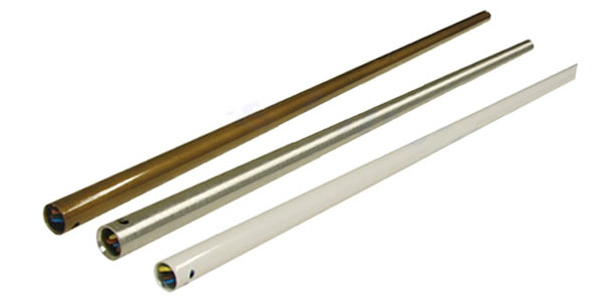
When looking for appropriate ceiling fans for high ceilings particularly if beyond 3 metres high then it is generally recommended that a fan be chosen that has extension rods available as an accessory. Most fans will have a 90cm rod available so this shouldn’t limit your options all that much. However, if the ceiling is significantly higher than standard and above the 3m point then fans that have an option of a 180cm rod or even a 240cm alternative would be extremely beneficial and worth considering. This will allow you to lower the fan resulting in more efficient performance as the lower the fan the more you will feel the airflow. Note that extension rods come in set lengths but can be cut to size by your electrician.

ceiling fans for high ceilings extension rods

High Ceilings with a Rake

Commonly if a ceiling is higher than the 3m mark it is often also angled and as a result not only do you need to find ceiling fans for high ceilings but also a fan which is compatible for a rake to a certain degree. In our range some fans will only be suitable for flat ceilings and others will be suitable up to 38 or even 40 degrees. This information if available will be included on the listings so just simply double check that the fan selected will be suitable for the degree of your ceiling rake. Note: Fans with a ‘hugger style’ (cylindrical motor that sits flush on the ceiling) cannot be extended and are only suitable for installation on flat ceilings.

View our full range of Ceiling Fans now!

Read More

Bedroom Ceiling fans – A guide to choosing the right fan for your bedroom

Bedroom ceiling fans are a great tool to create the optimal environment for sleeping. They are cost efficient and the right model can look great in your space.  Trying to choose a ceiling fan can be daunting because of the variety of fans on the market. Although you could choose any ceiling fan for your bedroom, it’s worth thinking about how different features may affect a sleeping environment.
The guide below will assist you to identify features to look for and find the best fit for your bedroom.
Once you’ve decided what style and colours would best suit your interior, consider:

What size or blade span (diameter) is best for bedroom ceiling fans?

To give you a basic idea, a 48-52” blade span is suits most standard bedrooms and for those larger bedrooms 52-56” fans are a good choice.

Size is important for two main reasons:

  1. Aesthetics. For the room to look balanced you need to have a fan that is proportionate to the space: not too big and not too small.
  2. Coverage. How much space do you want to cool? A standard size fan might suit a large bedroom if the fan is positioned straight above the bed.  A larger sized ceiling fan might be a better choice if  you won’t be directly underneath the fan when you’re using it.

If you think a larger fan is too powerful, remember you can choose the speed setting. Most fans have three or more speeds so you can operate it on the lowest speed to create a gentler air flow.

If you need a very small bedroom ceiling fan, have a look at our Small Ceiling Fans category.

Which Blade Material would be better for bedroom ceiling fans?

The main reason customers think about material for bedroom ceiling fans is because they are worried about noise. Blade Material doesn’t always impact the sound a fan makes because there are other contributing factors. That said, we find that our customers choose plastic or timber blades for bedrooms especially if they want fan with high airflow.

AC or DC – Which Motor Type is best for bedroom ceiling fans?

Most people will choose a ceiling fan with a DC motor for their bedroom because they are famous for being a quieter choice. It’s still worth considering an AC motor for the bedroom, especially if it’s very good quality, which may reduce the noise.

DC Motors

  • Slightly quieter
  • More energy efficient
  • 5 or 6 selectable speeds.
  • Usually only come with a remote, not a wall control

Our DC range can be viewed here.

AC Motors

  • Usually come with wall control, may have the option of a remote
  • Usually has less speed options than DC
  • AC motors tend to last longer than DC motors

The Final Question is Light or no Light?

Ceiling fans have three main options for lights:

Light adaptable

These fans will are usually packaged with a light or have a light listed as an accessory to the fan.

 Integrated Light

These are inbuilt fixtures, which means that the customer cannot add or remove a light once they’ve made a decision. Models with lights might have a separate listing to their counterparts without lights.

 Fans with no light option at all.

Some people prefer to have the fan separate from the primary light source. If you like a particular design but can’t find the lighting option you prefer, contact us. Our customer service team can suggest a similar design with the lighting features you want.

Bulbs

LED panels are one of the most popular options for a bulb because they have a longer life expectancy than standard globes. We also have fans which have a traditional B22 or E27 fitting with the option of to purchasing suitable LED or standard globes. It comes down to aesthetics and how you would like the light to fit with the fan.

Visit our Fans with light category to view our full range.

Read More

Low Profile Ceiling Fans

Low profile ceiling fans are an excellent choice for spaces with low ceilings. These are also known as ‘hugger’ fans as they have a very short ceiling to blade distance and therefore hug the ceiling.

How do I know if I need a hugger fan?

Generally it is recommended that a fan should sit at least 2.1 metres above the floor. This optimises the airflow in the room, whilst reducing the danger for someone who is tall. A low profile fan can also be a good option for smaller rooms as it can make the room feel less crowded in comparison to a regular ceiling fan.

Which low profile fan is right for me?

With such a large range of low profile fans, it can be difficult to determine which is the most suitable. Some factors that can help you narrow down your search are whether or not the fan is light adaptable, the material of the blades and energy efficiency. The Mercator Lima is a 3 blade fan and is available in white or brushed chrome. This fan has a DC motor so you can be assured that it will be quiet and energy efficient to run. The Lima comes with a 6 speed, reversible remote included and has a top speed airflow of 10,078m3/hr. It is a great value hugger fan and the blades sit only 197mm below the ceiling.

For those after a more traditional style fan, the Hunter Low Profile is the one for you. As its name suggests, you won’t need to duck under this fan as it sits approx. 198mm from the ceiling. The best thing about the Low Profile is that it is customisable. The fan comes with both 44” and 52” blades which are reversible so you have a choice of 2 colours as well. This fan can be operated by pull cord, wall control or remote control and is compatible with all hunter light kits.

Is there a hugger fan I can use outdoors?

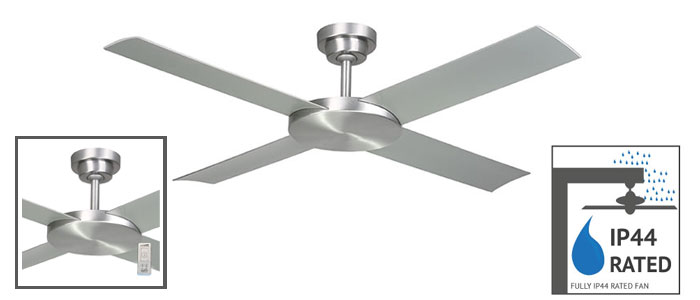
If you are looking for a low profile fan that can be installed in an outdoor area such as an alfresco area or a veranda, the Revolution 2 ticks all the boxes. This fan is available in white, brushed aluminium and matte black and has an IP rating of IP44 making it suitable for coastal areas and areas with high exposure to rain. The Revolution 2 comes either with a wall control or a remote control so no matter how you want to operate your fan, we’ve got you covered. With a modern look and durable weatherproof plastic blades, the Revolution 2 is a great choice for both outdoor and indoor use.

As you can see, there is a hugger ceiling fan to suit every requirement and taste, so even when you have a low ceiling you are still spoilt for choice.


Read More

To Remote Or Not To Remote

Ceiling-Fans-with-remote

One of the most obvious differences between ceiling fans in the type of control they use. Deciding which type of control you would like isn’t always easy and there are a few things to keep in mind before you make your choice.

Ceiling fans have three types of controls:

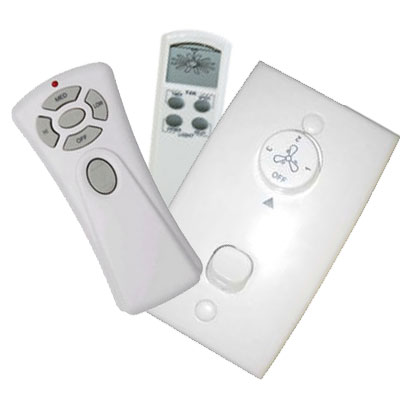
  • Remote controls.
  • Wall control
  • Pull cord: The original method was to pull a cord hanging from the motor. It turns the fan on and off and sometimes change speeds. This option is still available in some traditionally styled fans.

Generally when you buy a fan, it will come with just one of these control methods included, but many will have the option of using another method instead at an extra cost. Not all fans have the option of a remote control, but most do. Some will have it as the standard form of control. Others will have a pull cord or wall control and offer the remote as an optional extra.

Ceiling fans with remotes offer many advantages, but they are not the right solution for everyone. Sometimes they are necessary, sometimes they are more convenient, and sometimes you are better off without them!

When you need to have a remote control

There are cases where installing a fan will only be possible with a remote control.  You may not have access to run the wiring through the ceiling and down the wall to install a wall control.  This is common for apartments with another floor above them, where there is no access the wiring in the ceiling. However, there is a light in the room, so you can replace the light with a fan and light, and use a remote option to control both.

You will also need a remote control is if it is the only option for the fan model you choose. This is especially true for DC fans – which currently are only available with remote controls. So you might solve the problem of whether to use a remote when you choose your ceiling fan.

When a remote control is optional

If accessing the wiring is not a problem, you may still find a remote more convenient:

  • In a bedroom, a remote will allow you to turn the fan on and off from bed.
  • If you have more than one fan: In a large space (such as a living room or restaurant) where you  want to your fans simultaneously (ie they all turn on together). In this case, you can install radio frequency remotes, set them all on the same frequency. They will all turn on and on to the same speed from the one remote control handset.

When you are better off avoiding a remote control!

There are some cases where you may be better off avoiding a remote control for your ceiling fan:

  • When you are on a limited budget. Remotes will usually add about $50-$100 to the cost of the fan.
  • If you think the remote may get lost. This is sometimes a concern for people who have young children or pets in the house. You can get around this by choosing a model which comes with a cradle for the remote.
  • If you don’t want to avoid replacing batteries. If you do not want to deal with flat batteries in the remote, a wall control or pull cord is a better option.
  • Finally, remotes will break down over time and need to be replaced. Pull cords and wall controls are more durable ( unless some external factors causes damage to them) so they need less maintenance.
  • If you are noise sensitive. Most remote controls create a beep sound to indicate that the handset and receiver are communicating properly. This also happens when the isolation switch is turned on, to indicate that power is going to the receiver. It’s possible to switch this off on some remotes, so if something you’re concerned about please contact us for suggestions.

So it’s really up to you if you decide ‘to remote or not to remote’. It depends on your situation, your preferences, and your budget!

Read More

Fan blades: It’s not just size that counts!

A fan blade is a fan blade, right? Yes, but there is a bit more science to it. There are many factors which affect how effective a blade (or to be more precise, a set of blades) will be in moving air.

fan-attributes-blog

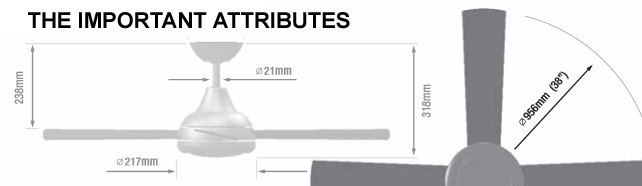
Size (Length) – The longer the blades are, the larger area they will cover. As a general rule, you can expect to feel the air a metre further than the diameter of the fan blades. The standard size you will find today is 52” (1.3m diameter), and this is a good size for most situations. However, there are large ceiling fans which go up to a 2m diameter. And of course, for very small areas, you might only need a small fan, and these are available too!

Weight/Material – As you can imagine, a heavier blade will move more air than a lighter blade. Most blades do not vary very much in weight. However, there are some fans which use very light materials, such as real palm leaves, to create a tropical look. These fans will still move air, but less than fans with plastic, timber or metal blades. Just a matter of balancing how much you want the fan for looks and how much you need it to move air!

Shape – A blade which is too wide will be less effective as it will create too much weight on the motor and this will mean the fan will not reach optimum speed. As a result, you will get less air movement.

Pitch – A decent pitch is very important to moving air. A blade which is at a flat angle won’t push any air down. Of course, you don’t want to take it to extremes because a blade with too much pitch won’t be effective either! A decent pitch is normally between 12 and 22degrees.

Quantity – Contrary to popular opinion, when it comes to ceiling fans blades, less equals more. All other things being equal, a fan with 3 blades will move more air than a fan with 4 or 5 blades.

So how do I choose?! In reality, you won’t get a lot of choice because most of these factors are fixed. The manufacturers take these factors into account and try to balance function and aesthetics. The next best option is to talk to a ceiling fans expert and explain what you need to them! You can discuss your needs with our friendly and knowledgeable sales staff on the phone and have your order shipped to you. It couldn’t be easier!

Read More

Get your Ceiling Fan into Winter Gear

Did you know your fan probably has a winter setting? This simply means that it rotates clockwise instead of anti-clockwise like in summer. This has the effect of pulling air up instead of pushing air down. So why would this help you? Well, by pushing the air that is below up to the ceiling, the hotter air, which is sitting up above the ceiling fan, gets circulated down. Hence, you keep the hot air down instead of losing it up near the ceiling. This can be especially handy for those with very high ceilings.

You only need to run the fan on low speed, and you shouldn’t really feel the breeze – only very slightly if you do. By making better use of this hot air, you can keep your heater settings on lower, and therefore save on energy and consequently quite a few dollars! Fans only use minimal electricity to run on low speed, most around 15-20watts, which is the same as an energy saving light bulb!

To find your winter/summer setting, simply check the body of the motor of the fan. There is usually a switch on the motor and it will often have a sticker labeling which setting is summer and which is winter. Alternatively, if you have a DC motor fan, your summer/winter reverse switch will probably be on the remote control.

If you are not sure if the ceiling fan you are interested in has this winter setting option, you will usually find this information in the “Additional Information” tab on the individual product pages. There should be a line headed “Reversible” and there it will say whether it is “reversible by remote”, or “reversible by motor”. If it is reversible by remote, this means that you can select to operate the fan in reverse (winter mode) from a control on your remote. If it is reversible from the motor, there is likely a switch on the motor to change to winter mode.

Social: Google+

Read More

How to Choose Outdoor Ceiling Fans

Outdoor ceiling fans can provide much needed cooling when outside. We have a great range of outdoor ceiling fans that match with your home’s architecture from traditional styles to modern and tropical designs.

With the heat of the Australian summer, outdoor areas are hugely popular in both traditional and modern homes. Alfresco / patio areas are being built as standard in new homes as well as being top on the list for renovations.

How do you know what fans can be installed outdoors?

The majority of ceiling fans are designed for indoor use, so they cannot be used in outdoor areas. Even if you install your fan in an undercover area with only one wall open to the outdoors, moisture will still find its way into your fan and cause damage.
So when looking for a fan for the outdoors, you will need to firstly assess the environment around you.

Ask yourself:
1. Do I live in a coastal area?
2. Will the fan be installed where it may be exposed to water reaching it?

Take great attention to the IP rating of a fan as it is an internationally recognised rating. These ratings are attributed to whether the fan can withstand water ingress and/or water penetration.

IP44 – suitable for wet locations, tested for water splashing against the enclosure from any direction.

Damp Rated – suitable for fully covered outdoor areas.
316 Stainless Steel – suitable for fully covered outdoor areas.
Coastal – not all outdoor fans are resistant to salt spray, so if you live in a coastal area, make sure your fan is coastal rated.

Materials For Outdoors

You will need all weather resistant material for your outdoor ceiling fan. While timber blades will absorb moisture, all weather plastic blades and stainless steel blades are what to look for.


Disclaimer – please note that all advise and information provided on this website is for guidance only and may not take into consideration your specific environment and other factors.
Read More